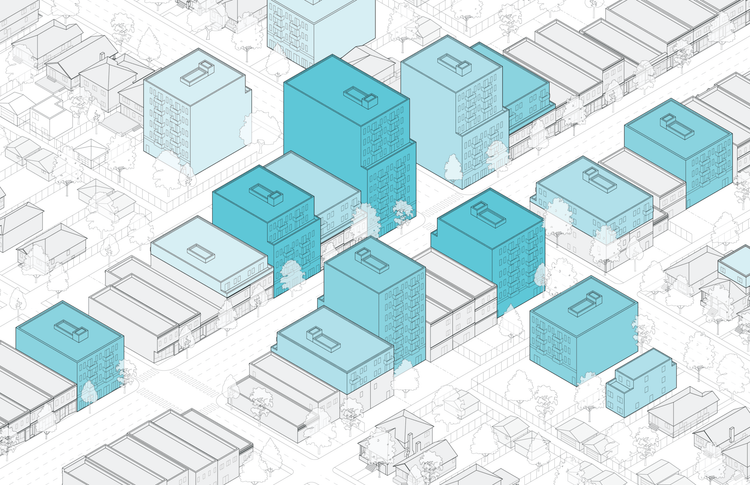
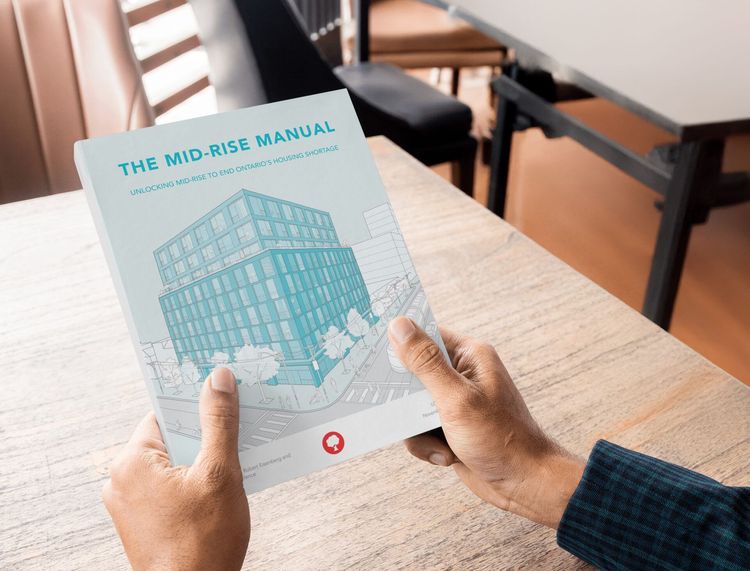
The Mid-Rise Manual
Ontario is facing a housing crisis. With 1.5 to 1.7 million new homes needed by 2031, the challenge isn’t just about building more housing—it’s about creating homes that are affordable, sustainable, and fit within the fabric of our cities. This is why we created the Mid-Rise Manual: Unlocking Mid-Rise To End Ontario's Housing Shortage. Commissioned by Robert Eisenberg, C.M. and Environmental Defence, created by SvN Architects + Planners and LGA Architectural Partners in collaboration, it offers a bold yet practical approach to meeting our housing needs.
At its heart, the manual takes a fresh look at mid-rise development, long touted as an ideal solution for urban intensification. Mid-rise housing—those 5-to-11-storey buildings nestled along major streets and avenues—offers a balanced density that supports vibrant neighborhoods, walkability, and lower carbon footprints. Yet, historically, Toronto has struggled to build more than 11 mid-rise buildings per year. The Mid-Rise Manual reimagines this trajectory by clearing the systemic roadblocks that have stifled mid-rise development and offering a straightforward strategy for success.
Download The Mid-Rise Manual
Why Mid-Rise?
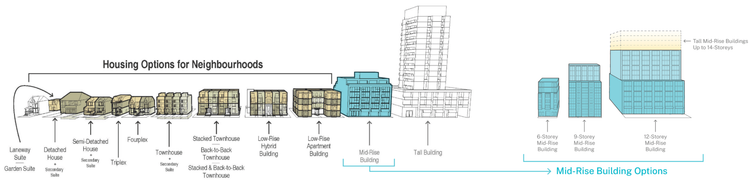
Mid-rise buildings sit at the intersection of many urgent urban priorities: housing supply, environmental sustainability, and livability. Unlike sprawling subdivisions or towering high-rises, mid-rise developments can blend seamlessly into existing neighborhoods, adding density without overwhelming their character or infrastructure. These buildings provide family-friendly housing options while supporting transit use, walkability, and local businesses.
What sets this approach apart is its systems-based approach. Rather than prescribing rigid design standards, it emphasizes enabling mid-rise construction through practical and streamlined solutions. Simplifying rules, regulation, and permissions, creates a development environment that makes mid-rise the default choice for addressing Ontario’s housing needs.
Breaking Down the Barriers
Through our research, we identified five key areas that must be addressed to unlock the potential of mid-rise housing:
Planning Policy & Approvals Processes
Long approval timelines and zoning complexities often discourage mid-rise projects. We recommend a more predictable and efficient system where mid-rise buildings are allowed by default on key urban streets, reducing uncertainty and delay for developers.
Fiscal Policy
Building mid-rise housing should be financially viable. We propose reforms such as reducing development charges for mid-rise projects, rethinking property taxes, and using innovative funding models to make these projects competitive with other forms of development.
Building Code
The current building code treats mid-rise developments similarly to high-rises, driving up costs unnecessarily. We suggest modernized building codes that allow for more flexibility, including expanded permissions for mass timber construction and single-staircase buildings, which are both cost-effective and environmentally sustainable.
Infrastructure
Infrastructure upgrades are often tackled piecemeal, adding delays and costs to individual projects. We call for a coordinated approach, where governments lead the way in updating infrastructure to support mid-rise growth, from stormwater management to electrical service.
Construction
Rising construction costs and labor shortages pose significant challenges. By encouraging off-site construction methods like prefabrication and modular design, as well as expanding training programs for skilled trades, we outline a path to more efficient and affordable mid-rise building.
Reimagining Toronto’s Streets
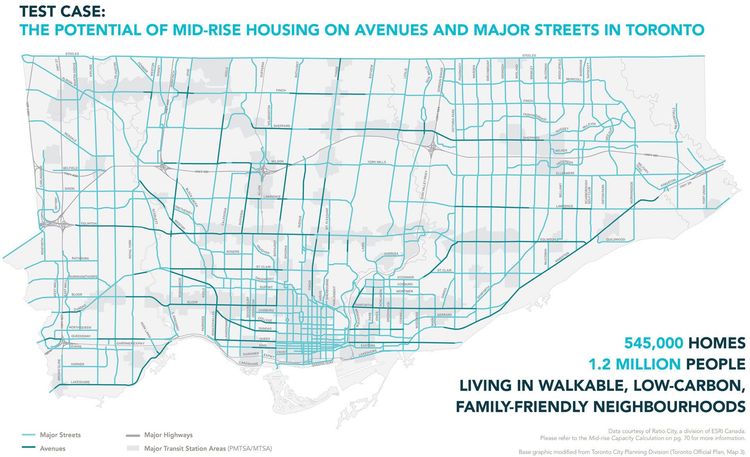
Outlined in the Mid-Rise Manual is a vision for Toronto’s major streets and avenues and how mid-rise housing could transform these corridors into vibrant, walkable communities. By introducing mid-rise development along these key areas, Toronto can move away from car-centric sprawl and toward neighborhoods where daily needs—schools, parks, shops—are within a short walk, bike ride, or transit trip.
This approach isn’t just about meeting housing targets; it’s about creating complete communities where people want to live. Mid-rise housing provides an opportunity to bring new life to underutilized spaces, support local economies, and reduce environmental impact all at once.
What Makes This Approach Different?
The Mid-Rise Manual isn’t just another report; it’s a call to action. It replaces complex guidelines with clear, actionable recommendations that make mid-rise development feasible and attractive. By addressing the entire system—planning, fiscal policy, infrastructure, and beyond—it ensures that mid-rise housing is no longer the exception but the rule.
Most importantly, the manual champions a building typology that appeals to everyone, bridging gaps between those resistant to development and those advocating for change. Mid-rise housing offers a balanced solution that aligns with shared goals for livability, affordability, fiscal responsibility, and sustainability.
Looking Ahead
Ontario’s housing future depends on bold, collaborative action. The Mid-Rise Manual lays the groundwork for a system that works—not just for developers, but for communities, governments, and the environment.
Explore the full details and recommendations of the manual and together, we can unlock the potential of mid-rise housing and build a brighter future for Ontario.
LGA and SvN authored the report and the findings and recommendations within. This effort was based on an unbiased, objective effort from apolitical organizations, intended to facilitate collaboration between all levels of government as well as relevant stakeholders.
SvN Architects + Planners
Drew Sinclair, Dennis Rijkhoff, and Kelly Graham
LGA Architectural Partners
Janna Levitt, Kevin Martin, and Conrad Speckert
Illustrations by Nicole Li
Special thanks to Blair Scorgie, Jonathan Diamond, Steven Webber and Graig Uens.
This report has been commissioned by Robert Eisenberg, C.M., and Environmental Defence | November 2024